Expert Guide to Hot Water Heater Repair in Washington D.C. and the DMV Area
Expert Guide to Hot Water Heater Repair in Washington D.C. and the DMV Area
Experiencing a sudden cold shower or an unexpected leak from your water heater can be a homeowner's worst nightmare. When your hot water supply falters, prompt and professional **hot water heater repair Washington DC** becomes an immediate priority. For residents and property managers across Washington D.C., Montgomery County MD, Prince George's County MD, Howard County MD, Anne Arundel County MD, and Northern Virginia, understanding the common issues, repair processes, and when to call in the experts is crucial. This comprehensive guide from hotwater express will walk you through everything you need to know about maintaining, repairing, and even replacing your water heater, ensuring consistent comfort and efficiency in your home or commercial property.Understanding Your Water Heater: Types and Common Issues
Your water heater is a vital appliance, quietly working behind the scenes to provide hot water for bathing, cleaning, and cooking. Recognizing its type and the signs of impending trouble can save you from costly emergencies and prolonged discomfort.Conventional Tank Water Heaters
These are the most common type, storing and heating a large volume of water in an insulated tank. They typically operate on natural gas, propane, or electricity. Common issues include sediment buildup, anode rod corrosion, thermostat malfunctions, and pilot light problems (for gas models). Over time, the tank itself can corrode, leading to leaks that necessitate a full replacement. For many homes needing **water heater replacement Montgomery County MD**, a conventional tank unit is often the direct swap.Tankless Water Heaters: On-Demand Efficiency
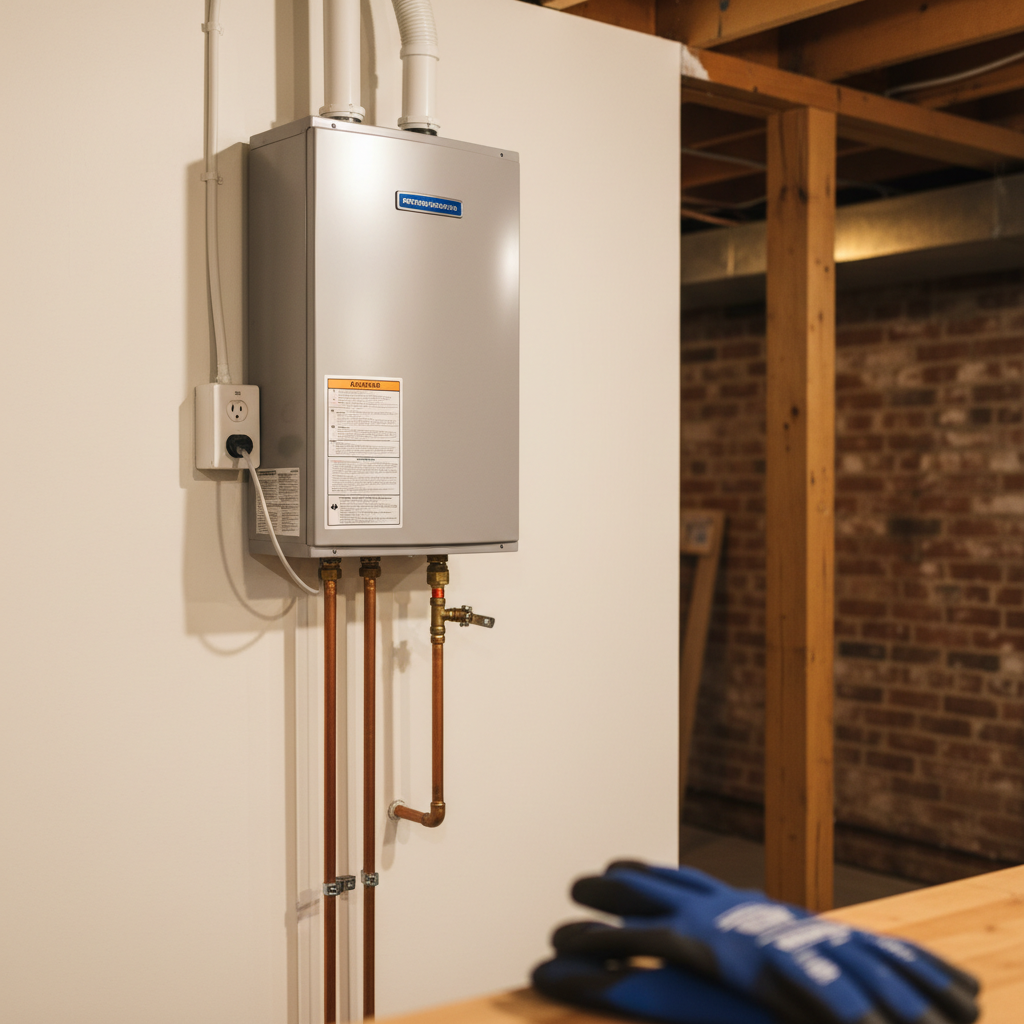
Tankless water heaters, also known as on-demand water heaters, heat water directly without the use of a storage tank. They provide an endless supply of hot water and are generally more energy-efficient. While they have a longer lifespan, they can still encounter issues such as mineral buildup in the heat exchanger, ignition failures, or electronic control malfunctions. Homeowners in areas like Bethesda often opt for **tankless water heater installation Bethesda MD** for long-term savings and convenience.Signs You Need Professional Hot Water Heater Repair
Ignoring early warning signs can escalate minor problems into major, expensive repairs or even complete system failure. Be vigilant for these indicators:- Lack of Hot Water: The most obvious sign. This could be due to a faulty thermostat, heating element, pilot light, or a completely failed unit.
- Fluctuating Water Temperature: Inconsistent hot water suggests issues with the thermostat, heating elements, or a build-up of sediment.
- Strange Noises: Popping, rumbling, or hissing sounds often indicate sediment buildup inside the tank, which hardens and makes the unit work harder.
- Leaking Water: Any water pooling around the base of your water heater is a serious concern. Leaks can stem from pressure relief valve issues, loose connections, or a corroded tank.
- Discolored or Smelly Water: Rusty water points to internal tank corrosion or a failing anode rod. Foul-smelling water could indicate bacterial growth within the tank.
- Higher Energy Bills: An inefficient or struggling water heater will consume more energy to heat water, leading to noticeable spikes in your utility costs.
Practical Steps for Water Heater Maintenance and Troubleshooting
While some water heater issues require expert intervention, there are several maintenance tasks homeowners can perform to extend the life of their unit and troubleshoot minor problems. Regular maintenance can significantly reduce the need for unexpected **emergency water heater repair Alexandria VA**.DIY Maintenance Tips for Longevity
Proactive maintenance is key to preventing premature failure and ensuring your water heater operates efficiently.- Flush the Tank Annually: Sediment buildup at the bottom of the tank reduces efficiency and can cause corrosion. Flushing the tank regularly removes these deposits.
- Test the Pressure Relief Valve: This valve is a critical safety component. Test it annually by lifting the lever to ensure it opens and closes properly, releasing a burst of water.
- Inspect the Anode Rod: The anode rod attracts corrosive elements in the water, protecting the tank. It should be inspected every 3-5 years and replaced if significantly corroded.
- Check for Leaks and Rust: Periodically inspect the tank, pipes, and connections for any signs of rust or moisture. Addressing small leaks early can prevent major damage.
- Insulate Your Water Heater: Adding an insulation blanket to older tank-style water heaters can reduce heat loss and improve efficiency, especially in unheated spaces.
Troubleshooting Common Water Heater Problems
Before calling for service, you can often diagnose and sometimes resolve simple issues yourself.- No Hot Water (Gas Heater): Check if the pilot light is out. Relight it following your manufacturer's instructions. Also, ensure the gas supply valve is open.
- No Hot Water (Electric Heater): Check your electrical panel for a tripped breaker. If the breaker is fine, the issue might be a faulty heating element or thermostat, which requires professional attention.
- Lukewarm Water: For electric heaters, one of the two heating elements might have failed. For gas heaters, the thermostat might be set too low or be malfunctioning. Sediment buildup can also cause this.
- Odd Noises: Flushing the tank can often alleviate rumbling or popping sounds caused by sediment. If the noise persists, it may indicate a more serious internal issue.
Industry Insights and Professional Expertise
Choosing the right professional for your water heater needs is paramount. An experienced technician not only fixes the immediate problem but also offers valuable advice on long-term solutions, efficiency improvements, and compliance with local codes.The Importance of Certified Water Heater Technicians
Water heater repair and installation involve working with gas lines, electrical wiring, and high-pressure water systems. This work carries inherent risks and requires specialized knowledge and tools. Certified technicians possess the training and experience to:- Diagnose Accurately: They can quickly pinpoint the root cause of complex issues, avoiding trial-and-error repairs.
- Ensure Safety: They adhere to strict safety protocols, preventing gas leaks, electrical hazards, and water damage.
- Comply with Codes: They are knowledgeable about local building codes and regulations, ensuring your repair or installation meets all requirements for safety and performance. This is especially important in densely populated areas like Washington D.C. and Northern Virginia.
- Provide Lasting Solutions: Instead of temporary fixes, they offer durable repairs and recommend appropriate long-term solutions.
When to Repair vs. Replace Your Water Heater
This is a common dilemma for homeowners. Several factors influence the decision:- Age of the Unit: Most conventional water heaters last 10-15 years. If your unit is approaching or past this age, replacement might be more cost-effective than repeated repairs.
- Cost of Repair: If the repair cost exceeds 50% of the cost of a new unit, replacement is usually the wiser choice.
- Frequency of Breakdowns: A water heater that constantly needs repairs is a money pit. Frequent breakdowns indicate systemic issues.
- Energy Efficiency: Older units are significantly less energy-efficient. A new, ENERGY STAR® certified water heater can offer substantial savings on utility bills, making replacement a sound investment.
- Tank Leaks: A leaking tank is almost always a sign that the unit needs to be replaced. Tank leaks are generally not repairable.
Common Mistakes to Avoid with Water Heater Care
While it's tempting to try and fix everything yourself, certain actions can exacerbate problems or even create dangerous situations. Avoiding these common pitfalls ensures your safety and the longevity of your water heating system.Ignoring Warning Signs and Delaying Repairs
One of the most significant mistakes homeowners make is procrastinating on repairs. A small leak can turn into significant water damage, and a minor electrical issue can become a fire hazard. Delayed repairs also allow problems to worsen, potentially turning a simple component replacement into a full system overhaul. Addressing issues promptly, especially for **gas water heater repair Gaithersburg MD**, is crucial for safety and cost-effectiveness.Attempting Complex Repairs Without Expertise
While flushing your tank or relighting a pilot light might be within a homeowner's capability, attempting to replace heating elements, repair gas lines, or troubleshoot complex electrical issues without proper training and tools is extremely dangerous.- Risk of Injury: Working with electricity, gas, and hot water poses risks of electric shock, burns, and gas leaks.
- Further Damage: Incorrect repairs can cause more damage to the water heater or surrounding property, leading to more expensive professional repairs later.
- Voiding Warranties: DIY repairs often void manufacturer warranties, leaving you responsible for future repair costs.
Neglecting Regular Maintenance
Just like a car, your water heater needs routine maintenance to function optimally. Skipping annual flushes, anode rod inspections, and pressure relief valve tests can lead to:- Reduced Efficiency: Sediment buildup forces the water heater to work harder, consuming more energy.
- Shortened Lifespan: Lack of maintenance accelerates wear and tear, leading to premature failure.
- Unexpected Breakdowns: Preventable issues can suddenly turn into urgent repairs, often at the most inconvenient times.
Local Expertise for the DMV Area: Washington D.C., Maryland, and Virginia
The diverse climate and unique infrastructure of the Washington D.C. metropolitan area demand a water heater service provider with local expertise. hotwater express understands the specific needs and regulations of communities across the DMV.Serving Your Community with Specialized Water Heater Solutions
From the historic homes of Washington D.C. to the sprawling suburbs of Montgomery County and the vibrant communities of Northern Virginia, hotwater express provides tailored water heater solutions. Our technicians are familiar with the specific types of water heaters common in the region, the local plumbing codes, and the environmental factors that can impact your system. Whether you need **electric water heater installation Silver Spring MD** for a residential property or **commercial water heater service Bowie MD** for a business, our team is equipped to handle it all. We serve:- Washington D.C.: Offering rapid response for all hot water heater repair needs in the nation's capital.
- Montgomery County MD: Including Bethesda, Rockville, Silver Spring, Gaithersburg, and Takoma Park, providing expert installation and repair services.
- Prince George's County MD: Covering College Park, Laurel, Greenbelt, Bowie, and Hyattsville, ensuring reliable hot water for homes and businesses.
- Howard County MD: Serving Columbia and Elkridge with efficient water heater solutions.
- Anne Arundel County MD: From Annapolis to Crofton and Glen Burnie, we deliver prompt and professional service.
- Northern Virginia: Alexandria, Arlington, Fairfax, Falls Church, McLean, and Tysons benefit from our comprehensive water heater expertise.
Frequently Asked Questions
What is the average cost to replace a water heater in Washington D.C.?
The average cost to replace a water heater in Washington D.C. can range from $1,200 to $3,500 or more, depending on the type of water heater (conventional vs. tankless), fuel source (gas vs. electric), capacity, and labor costs. This estimate typically includes the unit, installation, and disposal of the old unit.
How long does a water heater last in Montgomery County MD?
In Montgomery County MD, a conventional tank water heater typically lasts between 10 to 15 years with proper maintenance. Tankless water heaters, on the other hand, often have a longer lifespan, usually 20 years or more, due to their design and replaceable parts.
What are the signs I need a new water heater?
Key signs you need a new water heater include consistent leaks from the tank, rusty or discolored hot water, strange noises like rumbling or popping, frequent breakdowns requiring repairs, and the unit being over 10-15 years old. A significant increase in energy bills without a change in usage can also indicate declining efficiency.
Can I install a tankless water heater in an older home?
Yes, tankless water heaters can be installed in older homes, but it often requires upgrades to your home's gas line or electrical system to meet the higher demand of the tankless unit. A professional assessment is crucial to determine the feasibility and associated costs for such an installation.
How often should I flush my water heater?
It is recommended to flush your conventional tank water heater once a year to remove sediment buildup. For tankless water heaters, a descaling flush should be performed every 1-2 years, depending on your water quality, to prevent mineral buildup and maintain efficiency.